This is exhausting
Morning Musings 3.26.25

“People can foresee the future only when it coincides with their own wishes, and the most grossly obvious facts can be ignored when they are unwelcome.” – George Orwell
A priest, a preacher, and a rabbit walk into a bar. The rabbit says, “I think I’m a typo.”
The expensive slice of fish that graces plates in nice restaurants under the name “Chilean sea bass” actually comes from a fish that for many years was known as the Patagonian toothfish. No one was going to pay $40 for a plate of Patagonian toothfish. Call it Chilean sea bass, however, and the rules change. (source: Alchemy by Rory Sutherland).
Flower nectar often contains small amounts of alcohol, meaning pollinators like hummingbirds are drinking it all day long. Despite consuming human-equivalent amounts, they show no signs of intoxication—suggesting a surprising evolutionary tolerance. (Source: sciencedaily.com)
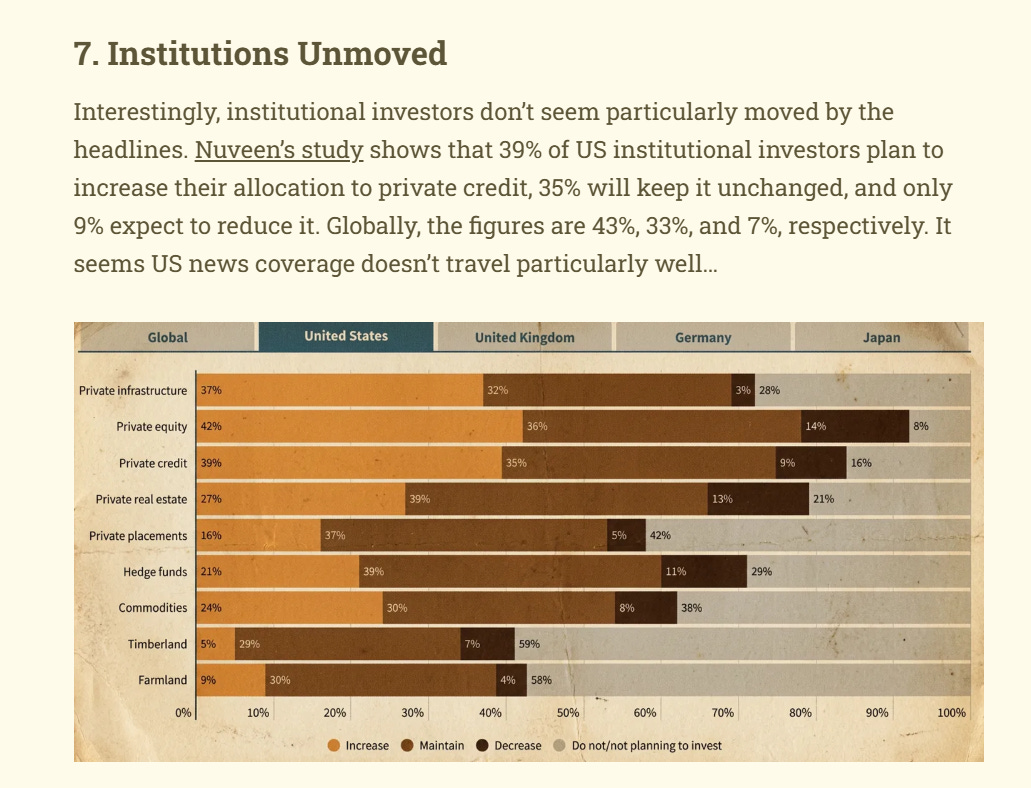
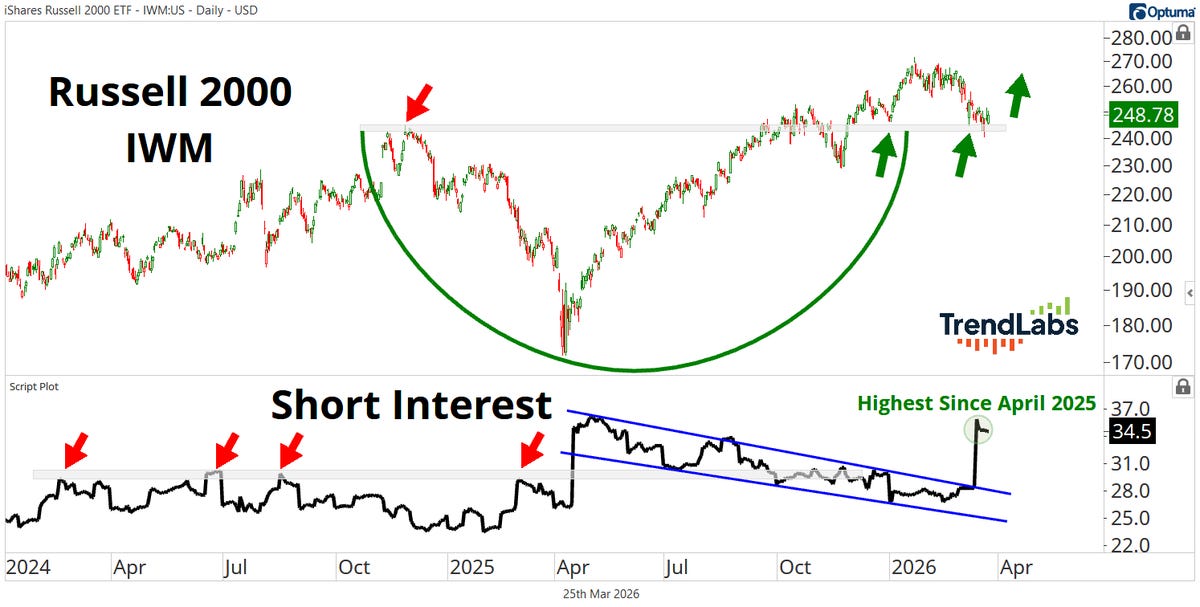
Private equity remains in focus:
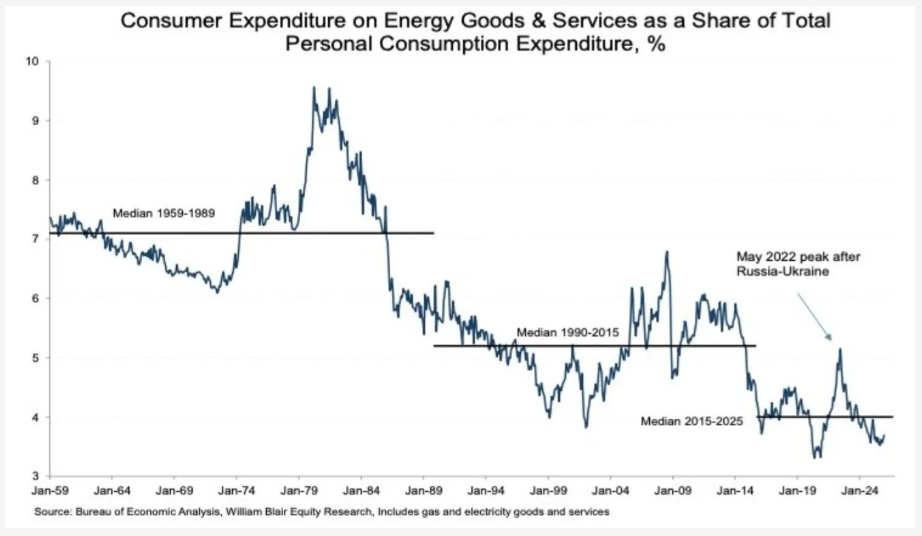
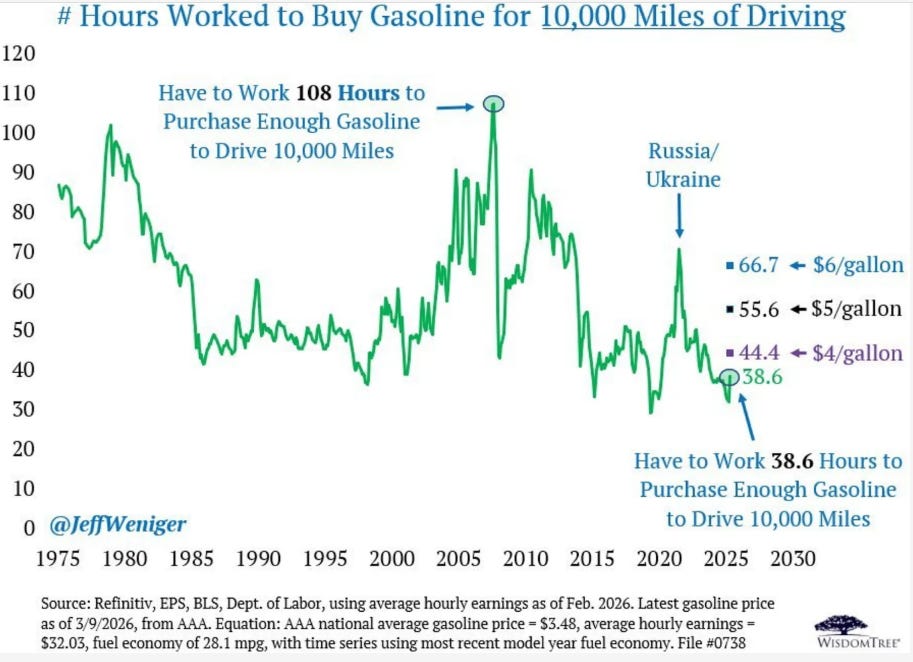
Collateral damage- hearing from friends in Asia that governments are starting to recognize the need for policies anticipatory of ongoing energy shortages; ‘you cannot have business as usual with 20% less energy..period end of story. So 2 options...1) Allow prices to destroy demand or 2) Allow governments to restrict demand. ...bottom line DEMAND is going to have to adjust.’
‘Trump Tells Aides He Wants Speedy End to Iran War’ (wsj)
‘Pentagon prepares for massive “final blow” of Iran war’ (Axios)
‘Will Iran Turn to Terrorism? Why a Desperate Regime Might Go After Soft Targets’ (foreign affairs)
‘Trump Team Examines What Oil as High as $200 a Barrel Would Mean’ (bbrg)
‘Iran Is Drafting Law to Introduce Tolls for Hormuz Transit’ (bbrg)
‘The World’s Energy Safety Net Is Buckling’ (wsj)
‘At least 40% of Russia’s oil export capacity halted, Reuters calculations show’ (rtrs)
 Shanaka Anslem Perera ⚡@shanaka86Everyone is covering the force majeure. Everyone is covering the 13 million tonnes. Everyone is covering the gas prices and the geopolitics and the five-year timeline. My good friend Veron Wickramasinghe just asked the question nobody else is asking: how do you rebuild when the
 1:35 AM · Mar 25, 2026 · 919K Views188 Replies · 2.22K Reposts · 5.7K Likes


KEY THEMES TODAY
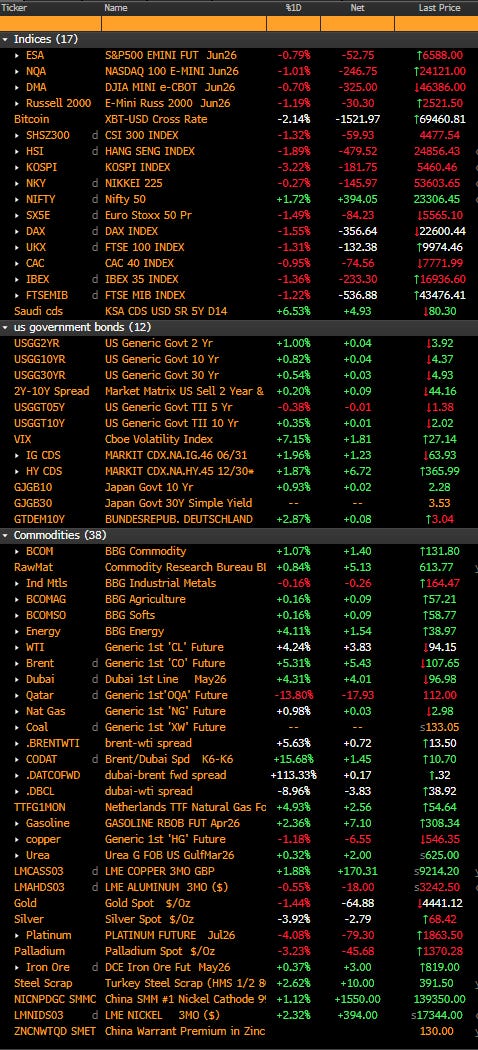
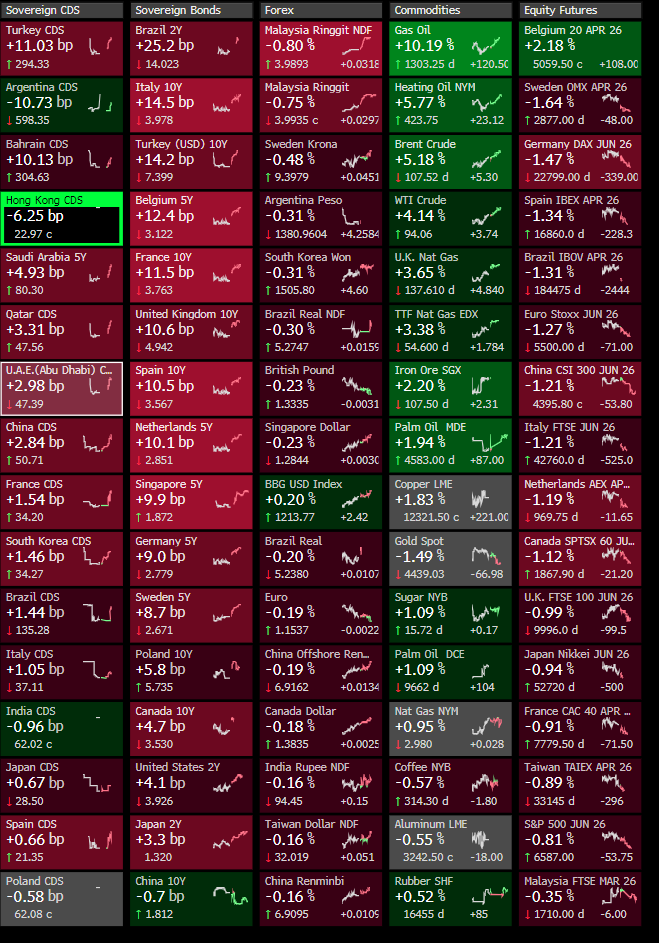
President Trump’s five-day Iran ceasefire pause is collapsing with just 48 hours remaining before the March 28 deadline, triggering a synchronized global selloff as markets reprice for re-escalation rather than resolution.
Iran has publicly rejected Washington’s outreach while the Pentagon reportedly prepares options for a “final blow” including potential ground forces, sending Brent crude above $107 and pushing Treasury yields to session highs as the bond market abandons any hope of near-term rate cuts .
European natural gas rose as much as 5% after dropping 15% over the prior four sessions, with Trump’s threats of intensified military action reigniting supply disruption fears . Rystad warned the global oil system can no longer absorb shocks with spare capacity largely exhausted, raising the risk of demand destruction as the buffer from pre-war surplus and crude-on-water barrels ends .
Gold fell in volatile trade despite geopolitical tensions, while silver’s weakness suggests precious metals are caught in risk-off deleveraging rather than acting as safe havens .
Copper declined while aluminum climbed as the war’s impact on Middle East industrial metal supplies creates divergent pressures.
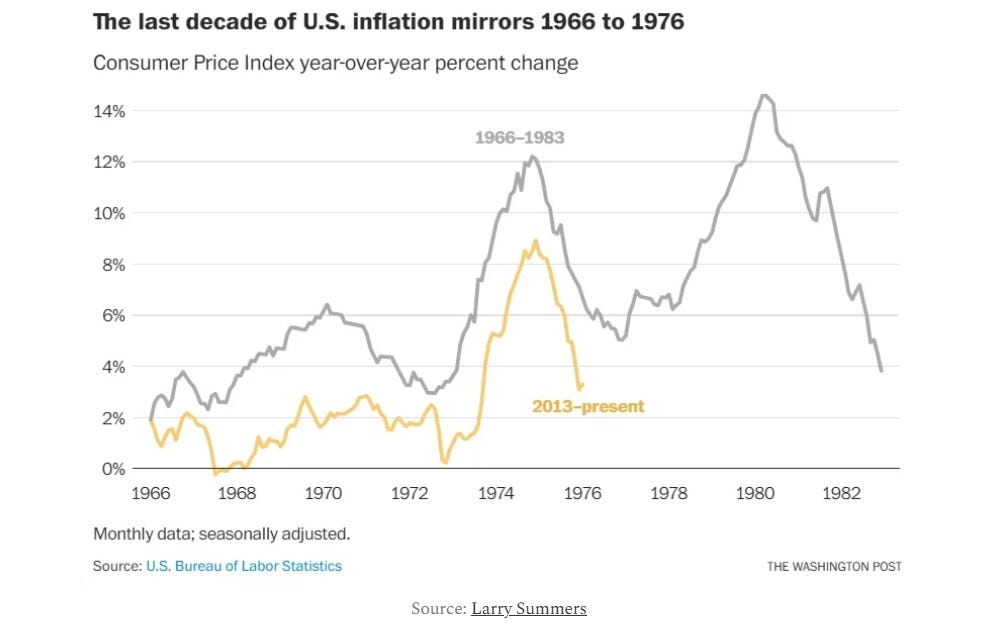
The OECD’s Thursday assessment crystallizes the macro damage: G20 inflation now forecast at 4% versus 2.8% projected in December, with US inflation seen hitting 4.2% as the conflict morphs from geopolitical event into full-blown stagflationary supply shock .
The head of the International Chamber of Commerce bluntly warned that the conflict could cause the “worst industrial crisis” in decades. The International Energy Agency has warned that the world is facing an energy crisis more severe than the oil shocks of the 1970s. Afghanistan’s trade flows have been disrupted after around 10,000 containers carrying transit goods were stranded at Jebel Ali Port in the United Arab Emirates amid escalating tensions. Indian manufacturers ranging from steel, aluminum, textiles, and even alcoholic beverages are beginning to report operational disruptions on account of surging freight rates, stuck shipments, gas shortages, and payment issues .
Cross-asset correlations are breaking down in ways that suggest systematic repricing rather than isolated risk-off—stocks look unpriced for re-escalation,
German consumer confidence collapsed to a two-year low as soaring energy prices revived inflation fears, with the April forecast dropping to -28.0 from -24.8 versus expectations of -26.9 .
Asian markets closed sharply lower overnight. Hong Kong’s Hang Seng Index fell 1.9% to end at 24,856.43, snapping a two-day winning streak, while the Hang Seng China Enterprises Index decreased 2.3% to close at 8,389.93 . The biggest drags included Alibaba down 4.8% and Meituan down 5% . South Korea’s Kospi Index fell 3.2% to 5,460.46, with Samsung down 4.7% and SK Hynix down 2.5% on concerns over lower demand after Google researchers touted a new compression technique for large language models . Japan’s Nikkei 225 fell 0.27% to close at 53,603.65 . Singapore’s Straits Times fell 0.3% to 4,887.76 , Thailand’s SET Index fell 1% to 1,442.92 , and Malaysia’s KLCI Index shed 0.3% to 1,710.89 .
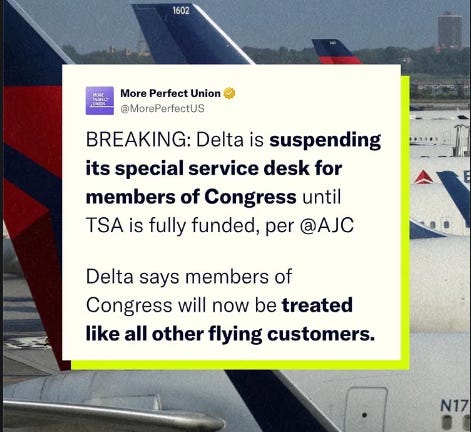
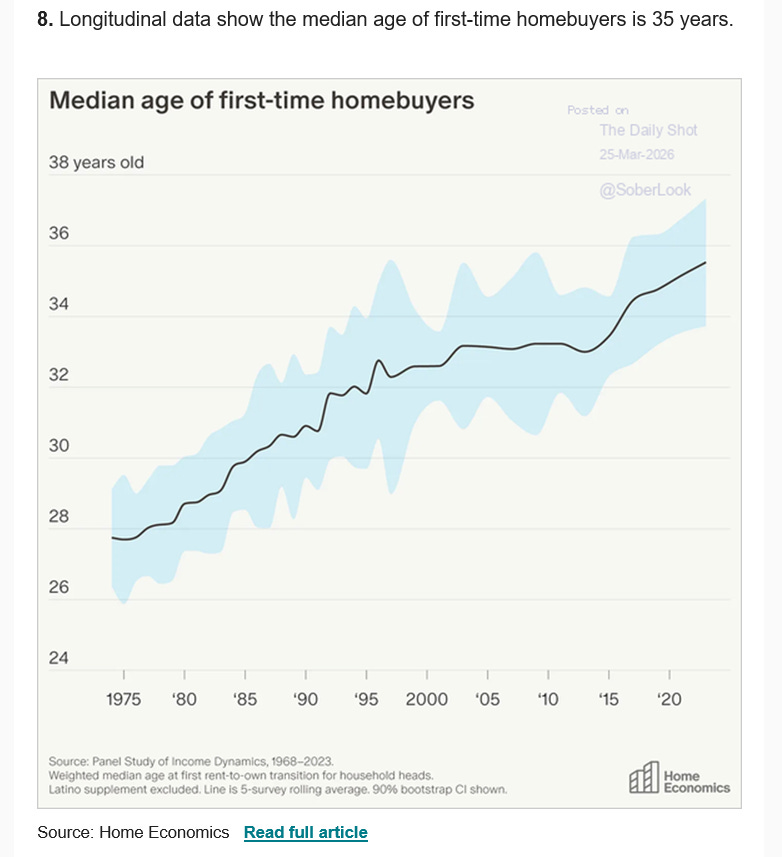
Troubling on an American Society level
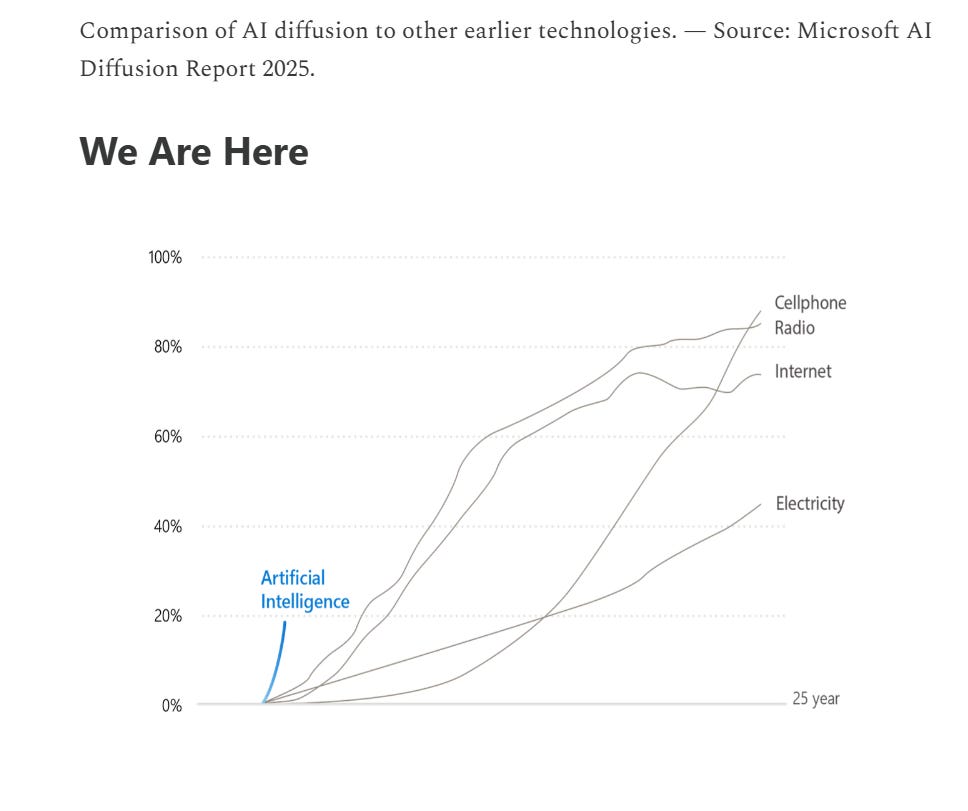
‘Lenders struggle to find insurance cover for mega data centre projects
Lack of sufficient cover means some investors are walking away from deals’ (ft)